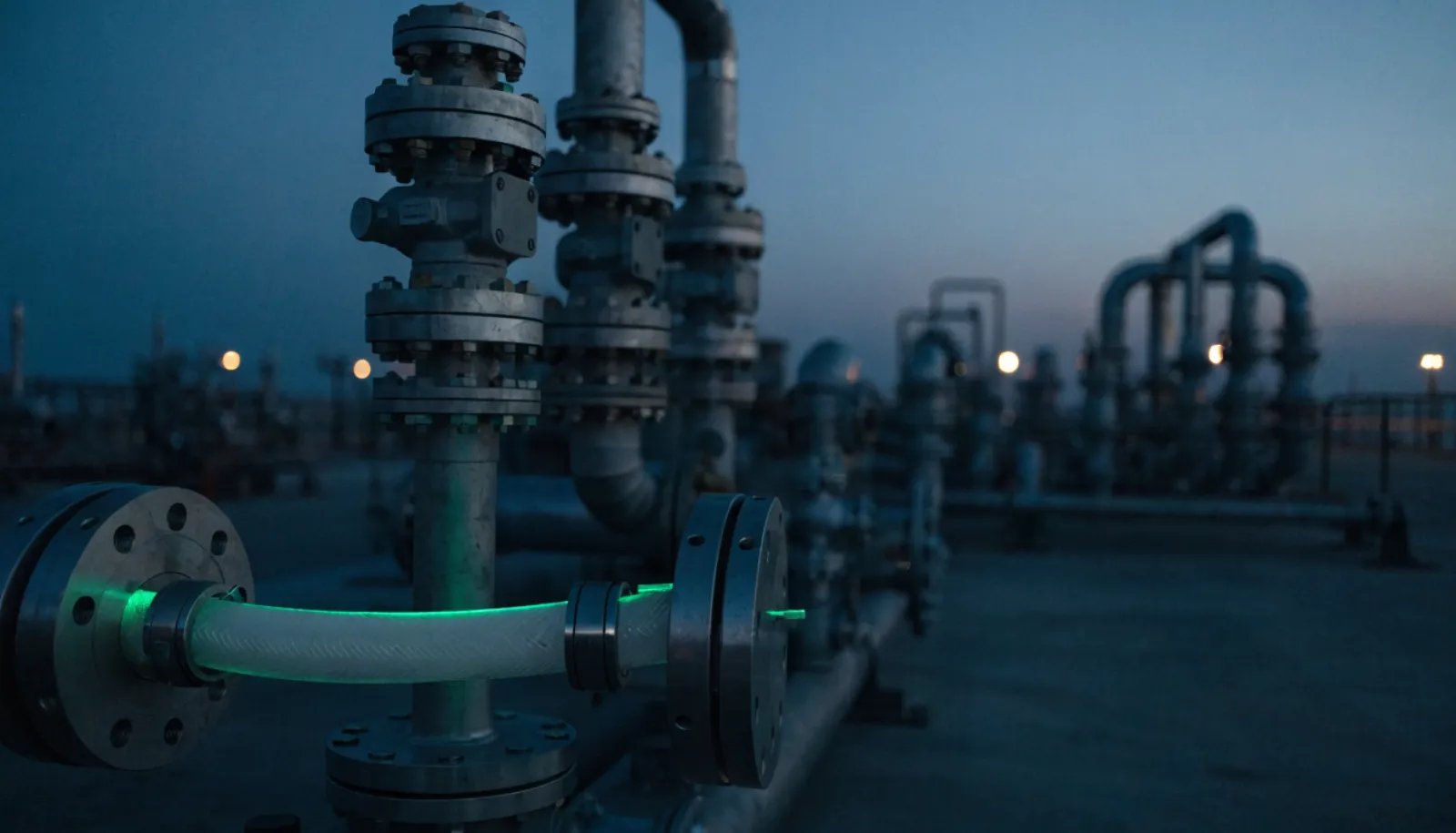
The oil and gas sector demands fluid transfer solutions that withstand extreme pressures, corrosive chemicals, and temperature fluctuations while maintaining operational safety. PTFE hose assemblies have become the engineering standard for upstream extraction, midstream processing, and downstream refining operations because virgin-grade fluoropolymer construction delivers unmatched chemical inertness, thermal stability from -73°C to +260°C, and pressure ratings exceeding 3600 PSI. Procurement managers and chemical engineers specifying oil and gas ptfe hose specifications must navigate multiple industry standards, understand construction variations, and verify compliance documentation to prevent costly failures in harsh drilling and processing environments. This technical guide examines the SAE 100R14 and ASTM D3295 standards governing PTFE hose performance, compares Type A and Type B construction for electrostatic safety, and details the pressure ratings, chemical resistance data, and quality assurance protocols that ensure reliable operation in petroleum-based and synthetic hydraulic fluid systems.
SAE 100R14 and ASTM D3295 Standards for Oil & Gas
SAE 100R14 establishes the construction and performance requirements for PTFE-lined hydraulic hose assemblies used throughout oil and gas operations. This standard specifies a virgin PTFE inner tube reinforced with a single braid of type 303XX stainless steel wire, creating a pressure-rated assembly capable of handling petroleum-based and synthetic hydraulic fluids. The standard defines continuous service temperature from -54°C to +204°C and intermittent service capability extending to -73°C to +260°C, addressing the thermal extremes encountered in offshore drilling platforms and desert extraction sites. Working pressure ratings vary by hose size, with smaller diameter assemblies achieving up to 3625 PSI while larger bore hoses operate at proportionally lower pressures. The SAE 100R14 specification requires that PTFE material meet FDA 21 CFR 177.1550 food contact standards, ensuring the fluoropolymer resin contains no extractable contaminants.
ASTM D3295 governs the dimensional and mechanical properties of extruded PTFE tubing manufactured from dispersion-processed resin. This standard categorizes tubing into five groups based on sizing methodology: Group 01 follows AWG wire gauge dimensions for electrical applications, Group 02 uses fractional inch sizing, Group 03 specifies both inner diameter and wall thickness for precision fluid transfer, Group 04 covers spiral-cut tubing for wire harness protection, and Group 05 addresses miniature beading. Wall thickness classifications range from Class 1 light wall through Class 5 heavy wall, with Class 4 chemical tubing providing the reinforced construction required for aggressive media in oil and gas processing plants. Testing protocols verify melting point consistency, specific gravity within virgin PTFE parameters, tensile strength exceeding 20 MPa, and dimensional stability under thermal cycling.
The distinction between these standards determines application suitability. SAE 100R14 braided hose assemblies handle high-pressure hydraulic systems in drilling rigs, blowout preventers, and wellhead control equipment where burst pressure safety margins are critical. ASTM D3295 tubing serves chemical injection lines, analyzer sampling systems, and instrumentation connections where precise dimensional tolerances and chemical compatibility matter more than extreme pressure ratings. Engineers at Advanced Fluro Private Limited select between these specifications based on operating pressure requirements, with SAE 100R14 assemblies specified for systems above 500 PSI and ASTM D3295 tubing deployed in lower-pressure chemical transfer applications.
Pressure Ratings, Temperature Range, and Material Properties
Oil and gas ptfe hose specifications center on three interdependent performance parameters: working pressure capacity, thermal operating range, and material properties that enable both. Working pressure ratings for SAE 100R14 assemblies depend on hose inner diameter and reinforcement construction, with typical specifications ranging from 1500 PSI for 1-inch bore assemblies to 3625 PSI for 1/4-inch configurations. The inverse relationship between diameter and pressure capacity reflects the mechanical stress distribution across the PTFE liner and stainless steel braid. Burst pressure testing verifies a minimum 4:1 safety factor, meaning a hose rated for 2000 PSI working pressure must withstand 8000 PSI before failure. This safety margin accounts for pressure spikes during pump startup, valve actuation, and thermal expansion events common in oil and gas hydraulic systems.
Temperature performance distinguishes PTFE from elastomeric alternatives in petroleum applications. Continuous service ratings from -54°C to +204°C accommodate both Arctic drilling operations and high-temperature refinery processes without material degradation. Intermittent service capability extending to +260°C provides safety margin during steam-out procedures, hot oil flushing, and emergency thermal events. The fluoropolymer molecular structure maintains mechanical properties across this temperature span because PTFE's crystalline phase transition occurs at 327°C, well above operating conditions. Low-temperature performance proves equally critical—PTFE remains flexible at -73°C while rubber hoses become brittle and crack, a failure mode that has caused hydraulic system ruptures on offshore platforms during winter operations.
Material properties beyond temperature and pressure determine long-term reliability in corrosive oil and gas environments. Virgin-grade PTFE exhibits chemical inertness to virtually all petroleum products, hydraulic fluids, drilling muds, completion fluids, and process chemicals encountered in extraction and refining. The fluoropolymer's low coefficient of friction (0.05 to 0.10) reduces pressure drop in long hose runs and prevents particle accumulation that can contaminate hydraulic systems. Dielectric strength exceeding 20 kV/mm provides electrical insulation in applications near high-voltage equipment. Permeation resistance prevents hydrocarbon migration through hose walls, a failure mode that causes swelling and degradation in rubber hoses exposed to aromatic solvents and synthetic hydraulic fluids. These material properties combine to deliver service life exceeding ten years in properly specified applications.
Chemical Resistance and Fluid Compatibility in Extraction
Oil and gas extraction exposes fluid transfer systems to a complex mixture of hydrocarbons, formation water, drilling additives, and corrosive gases. PTFE hose assemblies demonstrate universal resistance to petroleum-based hydraulic fluids including mineral oils, synthetic esters, polyalphaolefins, and phosphate ester formulations used in fire-resistant hydraulic systems. This chemical inertness extends to the acidic and caustic chemicals deployed in well stimulation, with PTFE showing no degradation when exposed to hydrochloric acid, sulfuric acid, hydrofluoric acid, sodium hydroxide, and potassium hydroxide at concentrations and temperatures that rapidly destroy metal and elastomer alternatives.
Drilling mud and completion fluid compatibility presents specific challenges that oil and gas ptfe hose specifications must address. Water-based muds containing barite weighting agents, bentonite viscosifiers, and corrosion inhibitors flow through PTFE without causing swelling, softening, or extracting plasticizers. Oil-based muds and synthetic-based muds using diesel, mineral oil, or ester carriers demonstrate complete compatibility with PTFE liners, while the stainless steel braid resists corrosion from chloride-containing formation water. Completion fluids including calcium chloride and zinc bromide brines at densities exceeding 2.0 specific gravity transfer safely through PTFE assemblies without material degradation. The smooth bore construction available in PTFE tube flexible hose configurations minimizes pressure drop and prevents particle settling in horizontal runs common in offshore platform installations.
Sour gas service introduces hydrogen sulfide exposure that mandates material selection beyond standard specifications. While PTFE itself resists H₂S attack, the stainless steel reinforcement braid requires grade selection to prevent sulfide stress cracking. SS316L braid construction provides superior resistance to chloride and sulfide environments compared to SS304, making it the specified choice for sour service applications. Gas dehydration systems using triethylene glycol (TEG) and diethylene glycol (DEG) operate safely with PTFE hose assemblies, as the fluoropolymer resists glycol absorption that causes swelling in elastomeric materials. Engineers specifying PTFE hose chemical resistance for oil and gas applications must verify compatibility with the complete fluid composition including additives, contaminants, and degradation products.
Type A vs. Type B Hose: Construction and Selection
SAE 100R14 defines two construction variants that address different operational requirements. Type A construction consists of a virgin PTFE inner tube extruded to precise dimensions, covered by a single braid of type 303XX stainless steel wire, and finished with an optional protective cover. This standard configuration provides the pressure rating, chemical resistance, and temperature performance required for most hydraulic and chemical transfer applications. The PTFE liner's inherent electrical insulation properties prevent current flow through the hose assembly, but create a potential hazard in flammable fluid service where electrostatic charge accumulation can create ignition sources. Type A assemblies require external grounding straps or conductive fittings to dissipate static charges when transferring low-conductivity fluids.
Type B construction incorporates an electrically-conductive inner surface treatment that fundamentally changes electrostatic behavior. The conductive PTFE liner allows charge dissipation through the hose assembly itself, eliminating the need for external grounding in many applications. This construction variant proves essential when transferring volatile organic compounds, gasoline, diesel fuel, and other flammable liquids where electrostatic discharge presents explosion risk. The conductive treatment maintains PTFE's chemical resistance and temperature performance while reducing surface resistivity from >10¹⁴ ohms to <10⁶ ohms, enabling charge dissipation before dangerous potential differences develop.
Selection between Type A and Type B construction depends on fluid conductivity, flow velocity, and hazardous area classification. Low-conductivity fluids including refined petroleum products, pure solvents, and certain synthetic hydraulic fluids generate electrostatic charge through turbulent flow. When fluid conductivity falls below 50 pS/m, Type B construction becomes the specified choice for flow velocities exceeding 1 meter per second. Hazardous area classifications per NEC Article 500 or IEC 60079 standards influence selection—Zone 0 and Division 1 locations handling flammable vapors mandate Type B construction regardless of fluid conductivity. The static dissipative PTFE hose specification process requires collaboration between process engineers, electrical safety personnel, and hose suppliers to verify that construction type matches the complete application risk profile.
Compliance, Testing, and Quality Assurance
Oil and gas ptfe hose specifications require documented compliance with industry standards and rigorous testing protocols to ensure safety and performance in critical applications. ISO 9001:2015 certification provides the quality management framework that governs manufacturing processes, material traceability, and inspection procedures. Virgin-grade PTFE resin sourcing verification confirms that raw material meets ASTM D4894 specifications for dispersion-processed fluoropolymer, with certificates of analysis documenting specific gravity, melting point, and absence of recycled content. Stainless steel braid material certifications verify grade composition (SS304 or SS316L), tensile strength, and corrosion resistance properties required for the operating environment.
Pressure testing protocols validate that finished assemblies meet or exceed SAE 100R14 working pressure and burst pressure requirements. Hydrostatic testing subjects each hose to 1.5 times working pressure for a minimum hold period, verifying leak-free performance and structural integrity before shipment. Burst pressure testing on sample units from each production batch confirms the 4:1 safety factor, with test results documented in quality records that provide traceability to specific manufacturing dates and material lots. Temperature cycling tests expose sample assemblies to the specified operating temperature range while under pressure, verifying that thermal expansion and contraction do not compromise fitting connections or liner integrity.
Chemical compatibility verification extends beyond material data sheets to actual exposure testing when applications involve unusual fluid mixtures or extreme conditions. Immersion testing places hose samples in representative process fluids at operating temperature for extended periods, with dimensional measurements, weight change analysis, and mechanical property testing documenting any degradation. Electrical conductivity testing on Type B assemblies verifies that surface resistivity remains below 10⁶ ohms throughout the hose length, ensuring effective static dissipation. These quality assurance protocols, combined with the manufacturing precision available through custom dimension PTFE tubes capabilities, provide the documented performance verification that procurement managers require when specifying critical oil and gas fluid transfer systems.

Article by
AFTubes Team
Savio Pereira is a Chemical Engineer who has held leadership roles in companies like IBM. A passionate problem solver who thrives at finding solutions to engineering and business problems alike using simple innovative ideas. He believes in doing things differently rather than doing different things. His vision is to make Advanced Fluro (P) Ltd the most valuable company in the fluouro polymer industry.