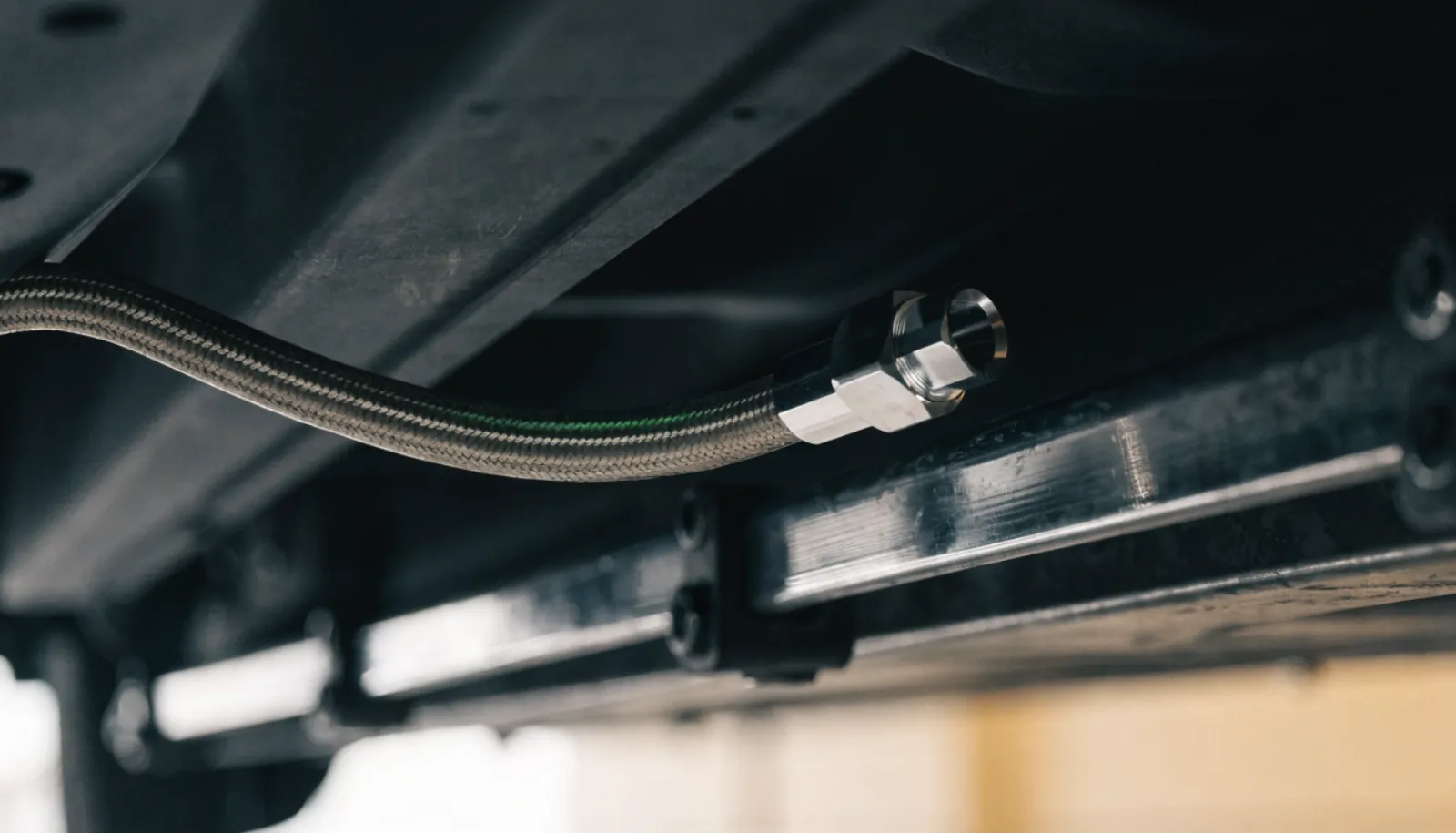
Modern automotive fuel systems demand materials that withstand aggressive chemical environments, extreme temperature swings, and sustained high pressures while maintaining dimensional stability over years of service. PTFE tubing automotive fuel system applications have become the engineering standard for fuel lines, vapor recovery systems, and emissions control components where conventional rubber hoses fail prematurely. As fuel formulations evolve to include ethanol blends, biodiesel, and synthetic alternatives, the chemical inertness and thermal stability of fluoropolymer tubing provide critical performance advantages that directly impact vehicle reliability and regulatory compliance.
PTFE Tubing in Automotive Fuel Systems: Material Properties and Performance Requirements
Polytetrafluoroethylene tubing delivers a unique combination of properties that address the specific challenges of automotive fuel transfer. The material exhibits near-universal chemical resistance, handling gasoline, diesel, E85 ethanol blends, biodiesel, and emerging alternative fuels without degradation. Unlike elastomeric hoses that swell, harden, or crack when exposed to aromatic hydrocarbons and oxygenated fuel additives, PTFE maintains its molecular structure across the full spectrum of automotive fuels.
The temperature performance envelope of PTFE tubing automotive fuel system applications spans continuous operation from -54°C to +204°C, with intermittent capability extending to -73°C to +260°C. This range accommodates both extreme cold-start conditions in northern climates and the elevated temperatures encountered in engine compartments and near exhaust routing. The material's low coefficient of thermal expansion ensures dimensional stability across this temperature range, preventing leaks at connection points that plague materials with higher expansion rates.
Permeation resistance represents a critical performance parameter for emissions compliance. PTFE's dense molecular structure significantly reduces fuel vapor transmission compared to conventional rubber hoses, helping manufacturers meet increasingly stringent evaporative emissions standards. The material's non-porous surface prevents fuel absorption that causes rubber hoses to swell and lose dimensional accuracy.
The inherent lubricity of PTFE provides a smooth bore surface that minimizes flow resistance and prevents particulate buildup that can restrict fuel delivery. This becomes particularly important in high-pressure direct injection systems where even minor flow restrictions affect engine performance and emissions. The non-stick surface also simplifies cleaning and maintenance procedures when fuel system service becomes necessary.
Virgin-grade PTFE tubing manufactured to precise dimensional tolerances provides the necessary bend radius capabilities without kinking or collapsing. When reinforced with stainless steel braiding, the tubing achieves working pressures exceeding 300 bar while retaining sufficient flexibility for complex routing geometries around engine components and through chassis structures.
SAE 100R14 Standard: Specification, Pressure Ratings, and Temperature Range
The SAE 100R14 specification establishes the construction, performance, and testing requirements for PTFE-lined hydraulic and fuel hoses used in automotive and industrial applications. This standard defines two distinct types: Type A consists of an extruded PTFE inner tube reinforced with a single braid of type 303XX stainless steel wire, while Type B incorporates the same construction with an electrically-conductive inner surface to prevent electrostatic charge accumulation. The conductive variant proves essential in applications transferring low-conductivity fuels where static discharge poses ignition risks.
Pressure ratings under SAE 100R14 vary by hose size, with smaller diameters achieving working pressures up to 250 bar (3625 PSI) while larger sizes operate at proportionally lower ratings. The standard specifies burst pressure requirements at four times the working pressure, providing substantial safety margins for pressure spikes during pump operation or thermal expansion events.
Construction requirements under SAE 100R14 mandate virgin-grade PTFE resin for the inner tube, prohibiting recycled or reprocessed materials that might contain contaminants or exhibit degraded properties. The stainless steel reinforcement must meet specific tensile strength and corrosion resistance criteria, ensuring long-term structural integrity in automotive environments exposed to road salt, moisture, and temperature cycling.
Testing protocols specified in SAE 100R14 include pressure cycling, temperature cycling, ozone resistance, and fluid compatibility verification. Hoses must withstand 200,000 pressure cycles between zero and working pressure without leakage or structural failure. These rigorous qualification requirements ensure that SAE 100R14 hoses deliver reliable performance throughout typical automotive service intervals.
For manufacturers and procurement professionals, SAE 100R14 compliance provides a standardized specification language that simplifies sourcing and quality verification. When specifying PTFE tubing automotive fuel system applications, referencing SAE 100R14 communicates precise performance expectations to suppliers and installers.
Chemical Compatibility and Fuel Type Considerations
PTFE's exceptional chemical resistance stems from the strong carbon-fluorine bonds in its molecular structure, which resist attack by virtually all automotive fuels and fuel additives. The material exhibits no measurable degradation when exposed to straight gasoline, diesel fuel, kerosene, aviation fuels, or their various blends. This universal compatibility eliminates the need for fuel-specific hose selection.
Ethanol-blended fuels present particular challenges for conventional rubber hoses, as ethanol acts as a solvent that extracts plasticizers and causes swelling, softening, and eventual failure. PTFE tubing automotive fuel system applications remain completely unaffected by ethanol concentrations ranging from E10 through E85 and pure ethanol (E100). The material maintains its dimensional stability, mechanical properties, and pressure ratings regardless of ethanol content.
Biodiesel and renewable diesel fuels contain fatty acid methyl esters (FAME) that aggressively attack many elastomers. PTFE demonstrates complete resistance to biodiesel blends up to B100 (pure biodiesel), maintaining performance across the full range of biodiesel concentrations. This compatibility proves essential as commercial and fleet operators increasingly adopt renewable diesel to meet sustainability goals.
Fuel additives including detergents, corrosion inhibitors, antioxidants, and cold-flow improvers introduce additional chemical complexity. PTFE's inert surface resists interaction with these additives, preventing the chemical reactions that cause rubber hoses to harden, crack, or lose flexibility. The material's non-porous structure also prevents additive absorption that can alter hose dimensions and mechanical properties over time.
Contamination concerns in fuel systems demand materials that neither contribute extractables to the fuel stream nor absorb contaminants that compromise performance. PTFE's chemically inert surface releases no plasticizers, stabilizers, or degradation products into fuel, maintaining fuel quality from tank to injector. The smooth bore surface resists particulate adhesion and biological growth that can occur in diesel systems.
Pressure Rating Selection and Installation Best Practices
Proper pressure rating selection begins with accurate assessment of system operating conditions including maximum working pressure, pressure spike magnitude and frequency, and temperature extremes. Automotive fuel systems typically operate at pressures ranging from 3-5 bar in conventional port injection systems to 200+ bar in modern gasoline direct injection (GDI) systems. Selecting hose with working pressure ratings at least 25% above maximum system pressure provides appropriate safety margin for pressure transients.
Installation procedures significantly impact PTFE tubing automotive fuel system applications performance and service life. Proper cutting techniques using sharp tubing cutters or fine-tooth saws prevent deformation of the tube end that can compromise fitting seals. Deburred, square-cut ends ensure proper seating in compression fittings and prevent stress concentrations that initiate cracks. Never use dull cutting tools that crush or tear the PTFE material.
Bend radius management prevents kinking and flow restriction. SAE 100R14 hoses specify minimum bend radius requirements typically ranging from 6 to 12 times the hose outside diameter depending on size and reinforcement. Use formed bends or elbows for tight routing situations rather than forcing the hose beyond its minimum radius. Support long runs at intervals that prevent sagging and stress concentration at connection points.
Fitting selection and assembly require attention to compatibility and proper torque application. Stainless steel compression fittings designed specifically for PTFE hose provide reliable sealing without crushing the tube. Follow manufacturer torque specifications precisely—insufficient torque allows leakage while excessive torque deforms the PTFE and damages the reinforcement. Use calibrated torque wrenches rather than estimating tightness by feel.
Routing considerations include avoiding contact with sharp edges, hot surfaces, and moving components that cause abrasion or heat damage. Protect hoses from road debris, exhaust heat, and mechanical interference using proper clamps, grommets, and heat shields. Maintain adequate clearance from exhaust components even when using high-temperature PTFE hoses, as sustained exposure above 260°C degrades even fluoropolymer materials.
Quality verification after installation includes pressure testing at 1.5 times working pressure to confirm seal integrity and leak-free operation. Visual inspection should verify proper bend radius throughout the routing, adequate support and clamping, and clearance from heat sources and abrasion points.
Compliance, Quality Assurance, and Supplier Qualification
Regulatory compliance for automotive fuel system components encompasses multiple standards and certifications that verify material quality, performance capability, and safety. SAE 100R14 compliance demonstrates that PTFE tubing automotive fuel system applications meet industry-recognized construction and performance standards. ISO 9001:2015 certification of the manufacturing facility provides assurance of consistent quality management systems and process controls.
Material traceability represents a critical quality assurance element for high-reliability applications. Virgin-grade PTFE resin sourcing from qualified suppliers with documented material certifications ensures consistent properties and eliminates contamination risks associated with recycled or reprocessed materials. Manufacturers should provide material test reports documenting specific gravity, melting point, tensile strength, and elongation values that confirm compliance with ASTM D3295 specifications.
Testing protocols for PTFE tubing should include dimensional verification, pressure testing, and chemical compatibility confirmation. Dimensional inspection using calibrated measurement equipment verifies that inner diameter, outer diameter, and wall thickness fall within specified tolerances. Pressure testing at burst pressure levels confirms structural integrity and safety margins.
Supplier qualification criteria should evaluate manufacturing capabilities, quality systems, and technical support resources. Site audits verify that production equipment maintains the precision required for tight dimensional tolerances and that quality control procedures catch defects before shipment. Technical support availability for application engineering, custom dimension development, and troubleshooting distinguishes suppliers who function as partners rather than mere vendors.
Documentation requirements for automotive applications include material certifications, dimensional inspection reports, pressure test results, and compliance statements for relevant standards. Comprehensive documentation enables traceability from raw material through finished product and supports quality investigations if field issues arise.
Advanced Fluro Private Limited maintains ISO 9001:2015 certification and manufactures PTFE products from virgin-grade fluoropolymer resins with full material traceability and compliance documentation. Our precision extrusion capabilities deliver tight dimensional tolerances essential for reliable fuel system performance, while our technical team provides application engineering support for custom dimension requirements and installation guidance. For detailed specifications on SAE 100R14 compliant hoses and other automotive fuel system solutions, explore our product range or review additional technical resources in our blog.
The Society of Automotive Engineers maintains comprehensive SAE standards documentation covering fuel system components and testing protocols. For applications requiring chemical compatibility verification beyond automotive fuels, consult detailed chemical resistance databases from fluoropolymer resin manufacturers and independent testing laboratories.

Article by
AFTubes Team
Savio Pereira is a Chemical Engineer who has held leadership roles in companies like IBM. A passionate problem solver who thrives at finding solutions to engineering and business problems alike using simple innovative ideas. He believes in doing things differently rather than doing different things. His vision is to make Advanced Fluro (P) Ltd the most valuable company in the fluouro polymer industry.